When Your Buildings Start Managing You: FCA’s Can Make Your Life Easier
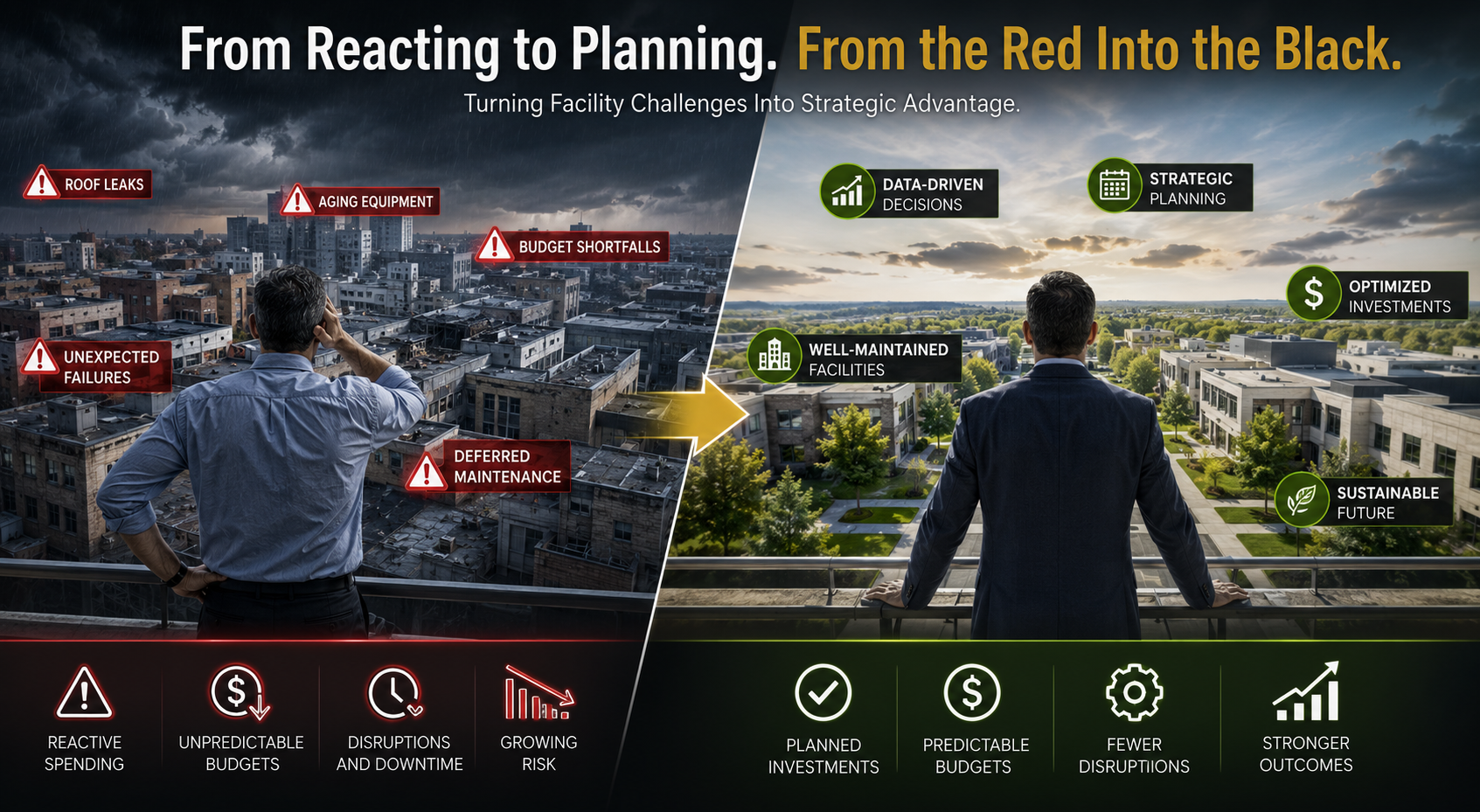
How Facility Condition Assessments Turn Uncertainty into Strategy
Discussions on Facility Condition Assessments
How Facility Condition Assessments Turn Uncertainty into Strategy
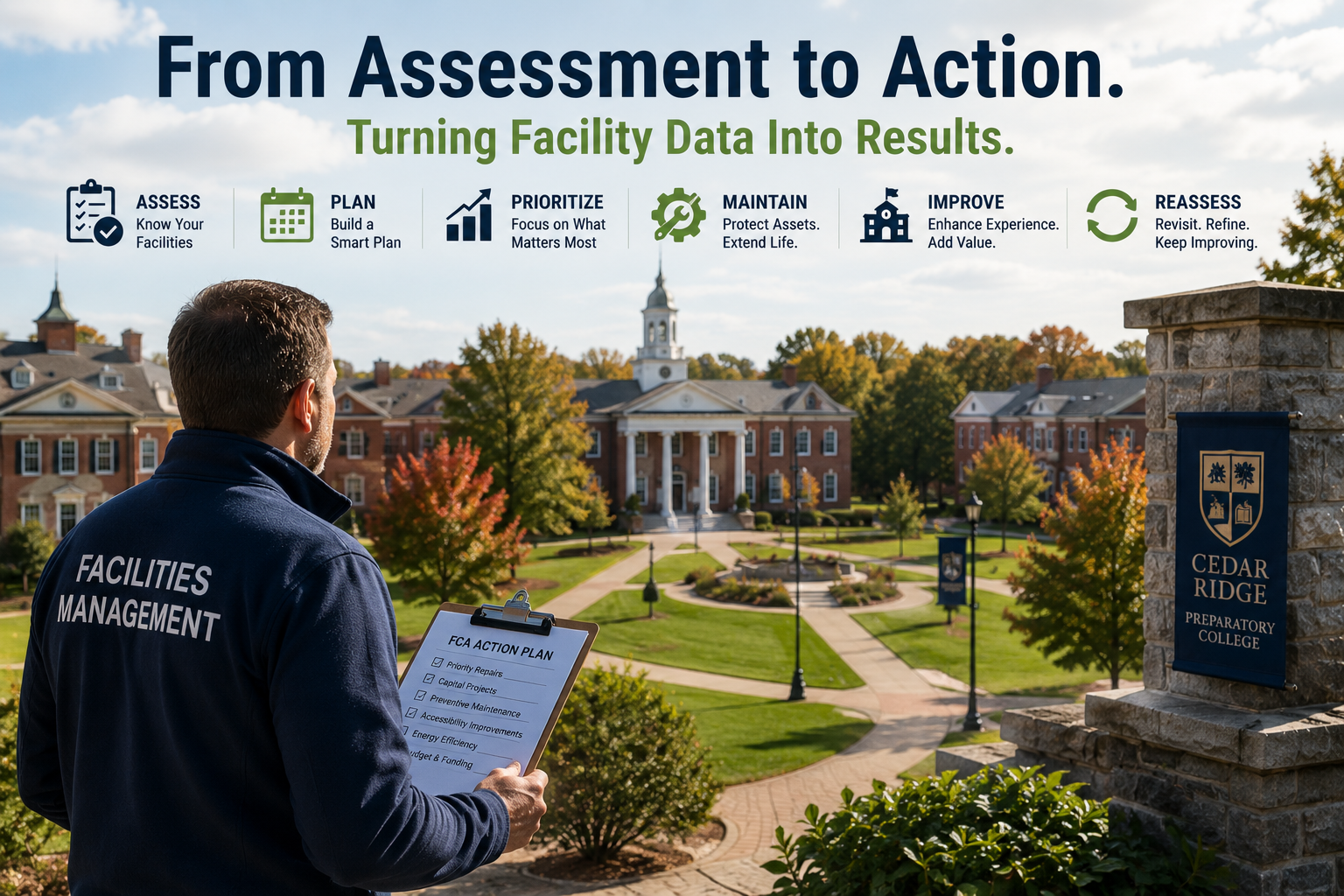
How to Turn Your Facility Condition Assessment Into Better Buildings, Better Planning, and Better Financial Outcomes A Facility Condition Assessment (FCA) represents one of the most valuable investments … Read more
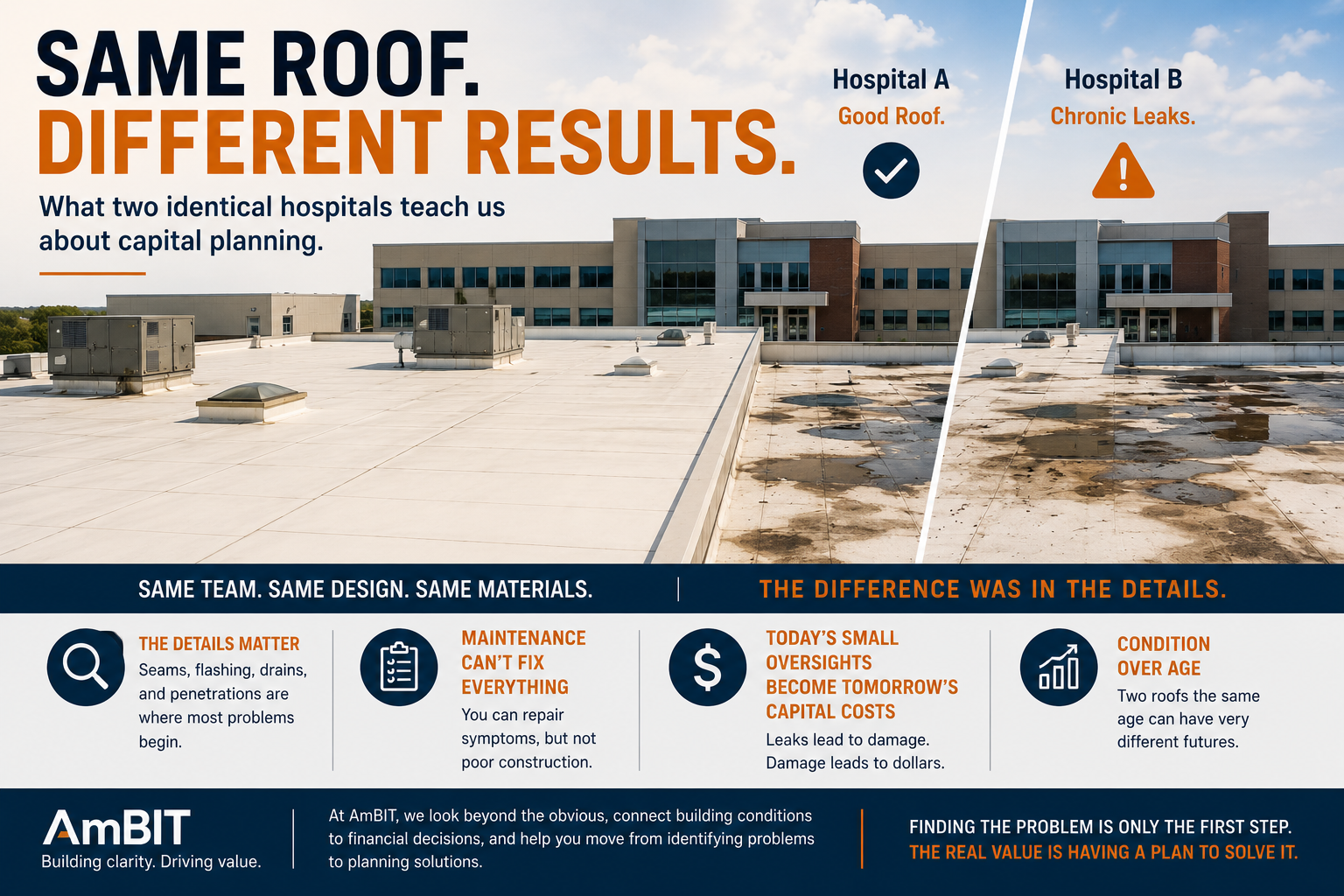
What can two nearly identical hospitals teach us about capital planning? Learn how construction quality, asset condition, and overlooked details can dramatically impact maintenance costs, facility performance, and long-term capital investments.
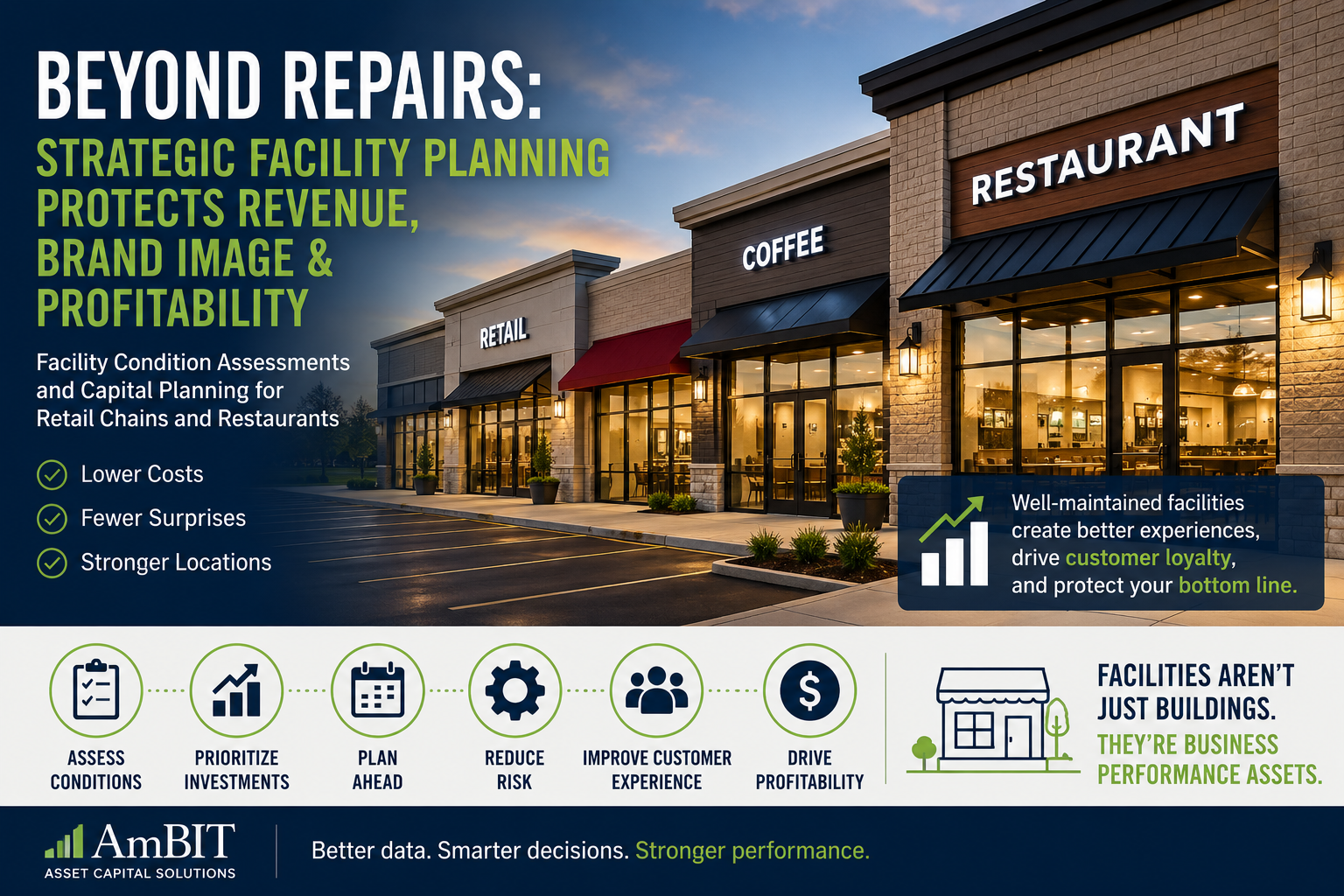
Retail buildings require a planned approach to operations, maintenance and capital improvements.
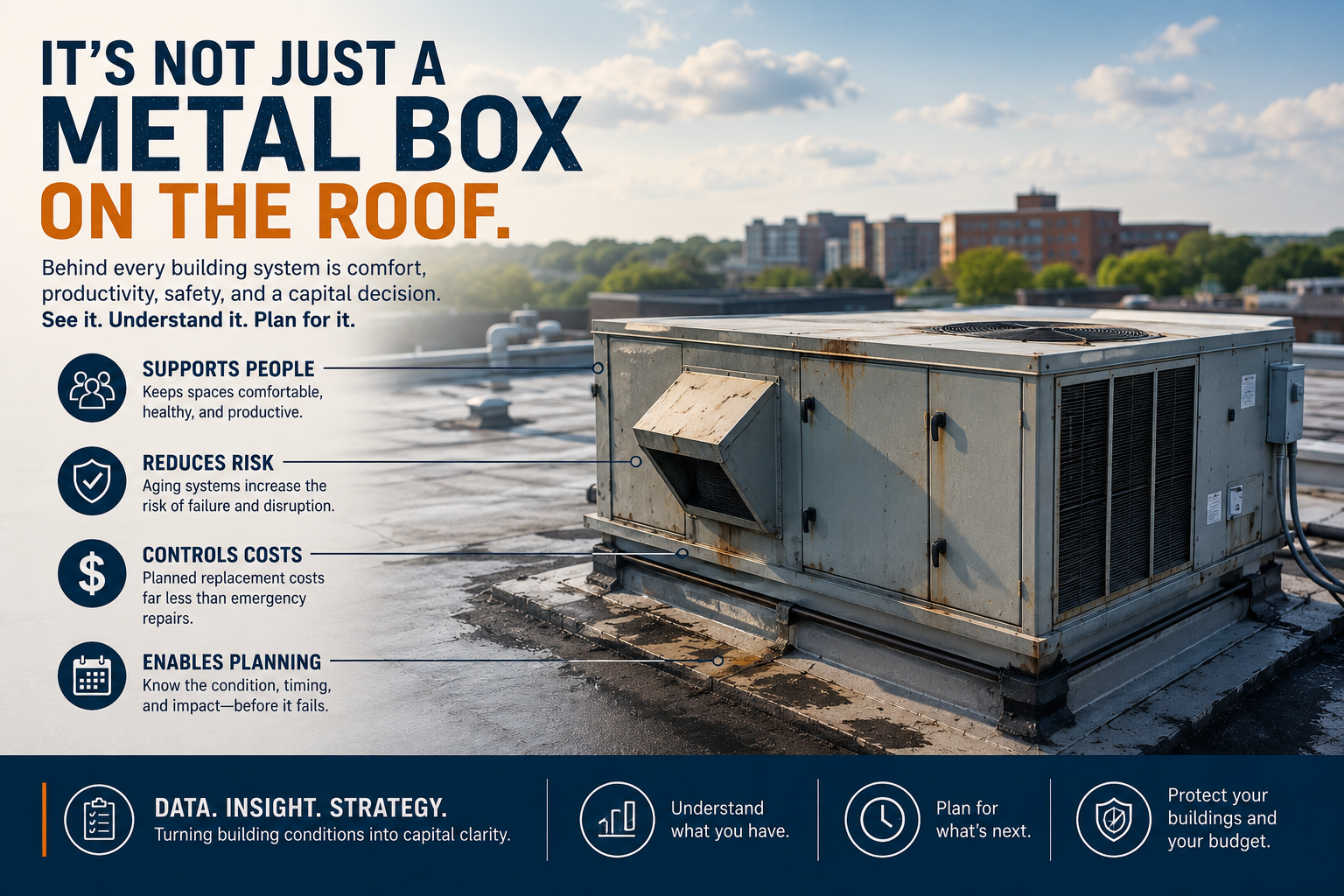
Deferred maintenance is more than a facilities issue — it is a financial decision with compounding operational and capital consequences. From roofing failures to aging HVAC systems, delaying critical work without a strategy can quietly transform manageable repairs into expensive emergencies. This article explores how organizations can better understand the true cost of waiting and make smarter, data-driven capital planning decisions.
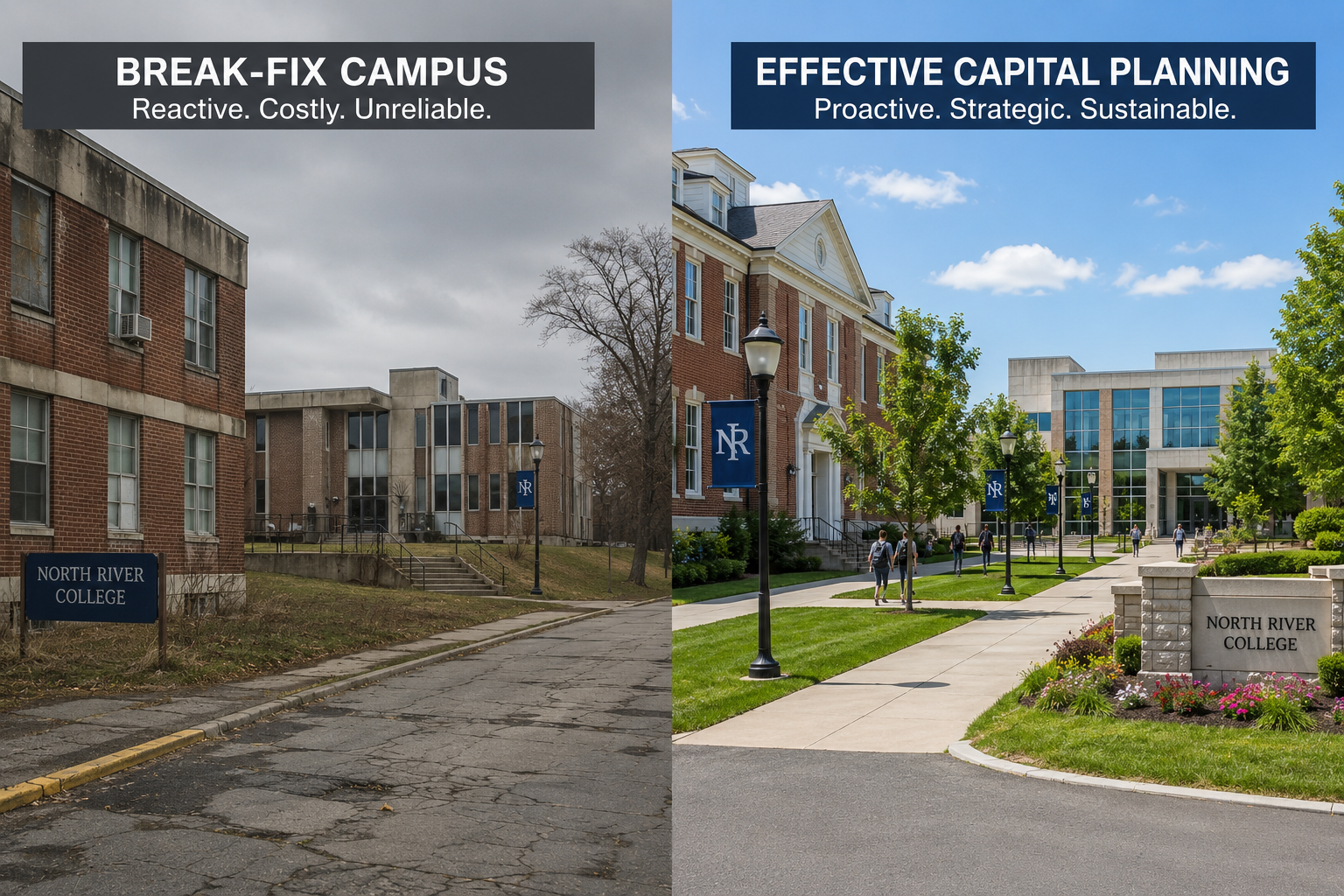
How Strategic Facility Condition Assessments and Capital Planning Protect Institutional Assets, Reputation, and Long-Term Financial Stability For many small colleges, community colleges, and private or preparatory schools, facilities … Read more
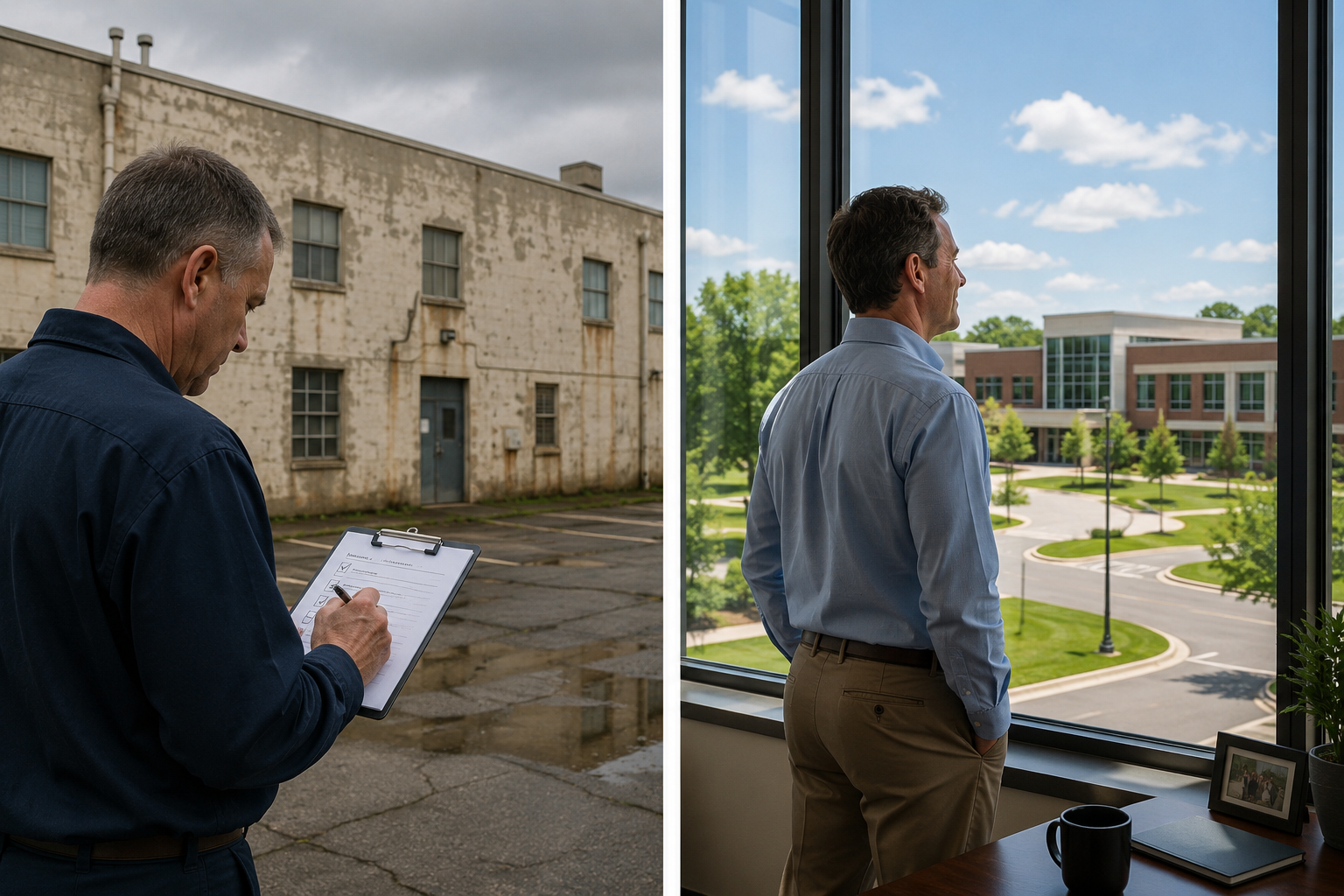
In many industries, Facility Condition Assessments (FCAs), reserve studies, deferred maintenance analyses, and capital planning reports are completed for one simple reason:
Because someone requires them.
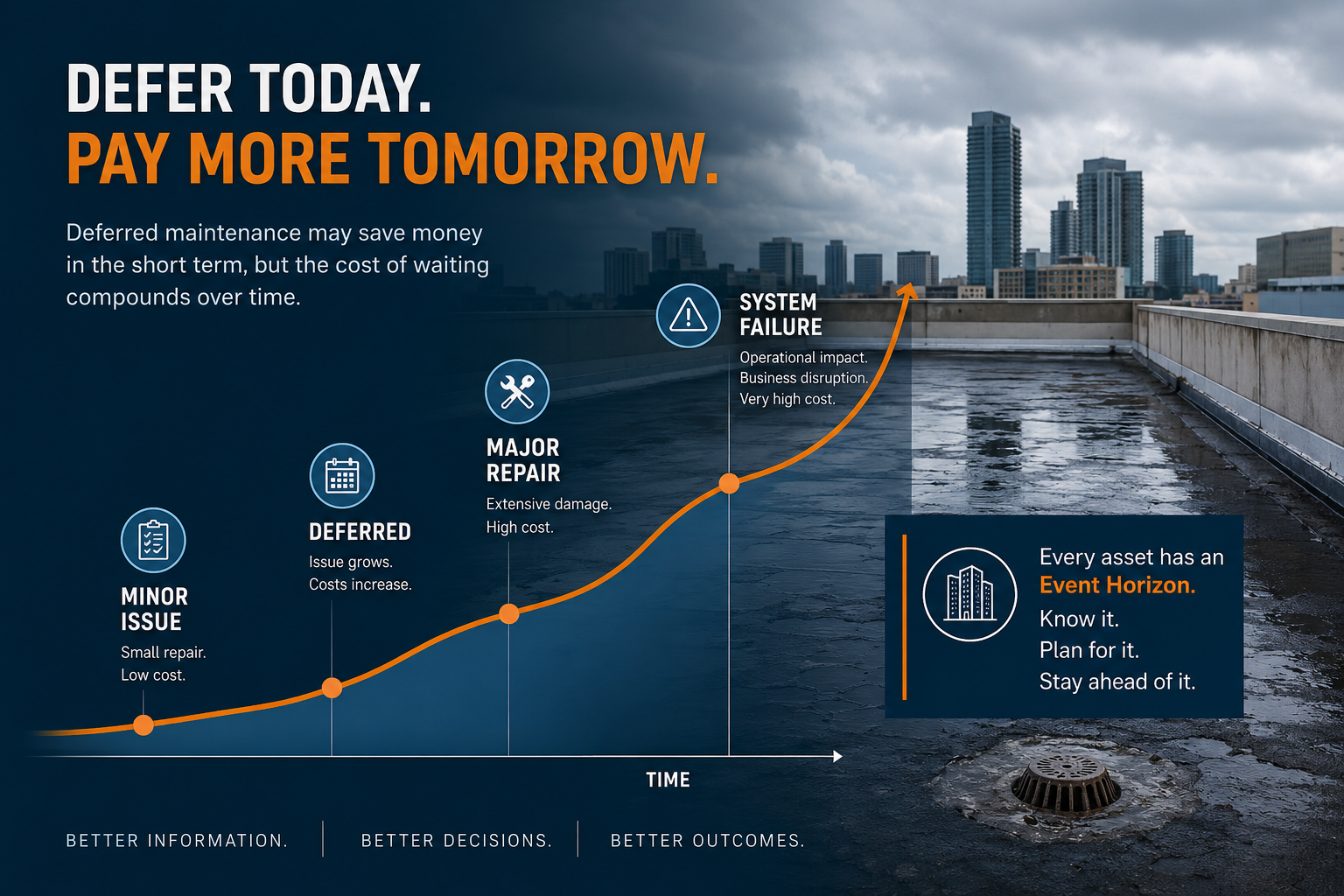
Deferred maintenance is more than a facilities issue, it is a financial decision with compounding operational and capital consequences. From roofing failures to aging HVAC systems, delaying critical work without a strategy can quietly transform manageable repairs into expensive emergencies. This article explores how organizations can better understand the true cost of waiting and make smarter, data-driven capital planning decisions.
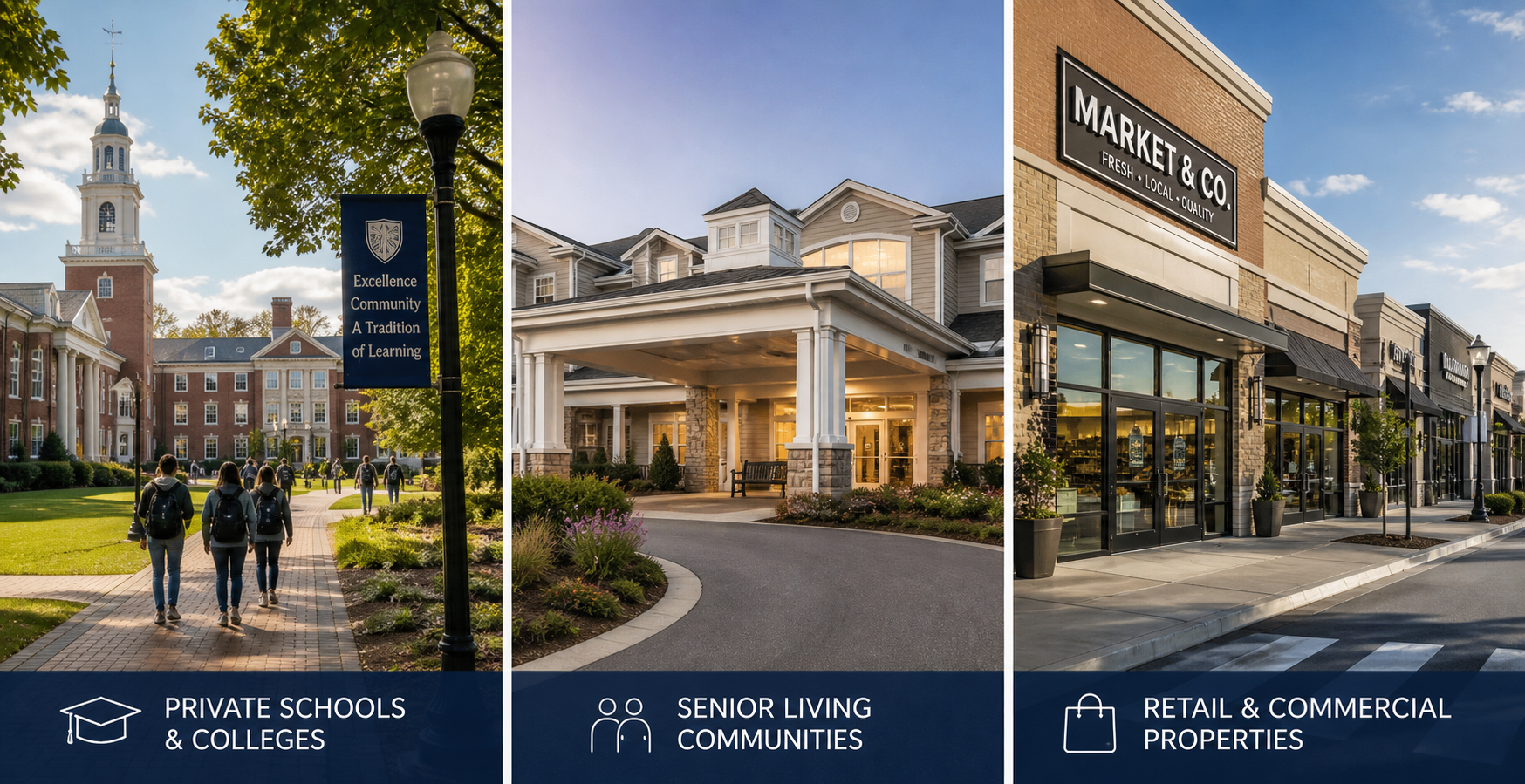
Facility Condition in Public-Facing Properties: Your Brand on Display Facility condition in public-facing properties is more than an operational concern — it is a direct and visible reflection … Read more
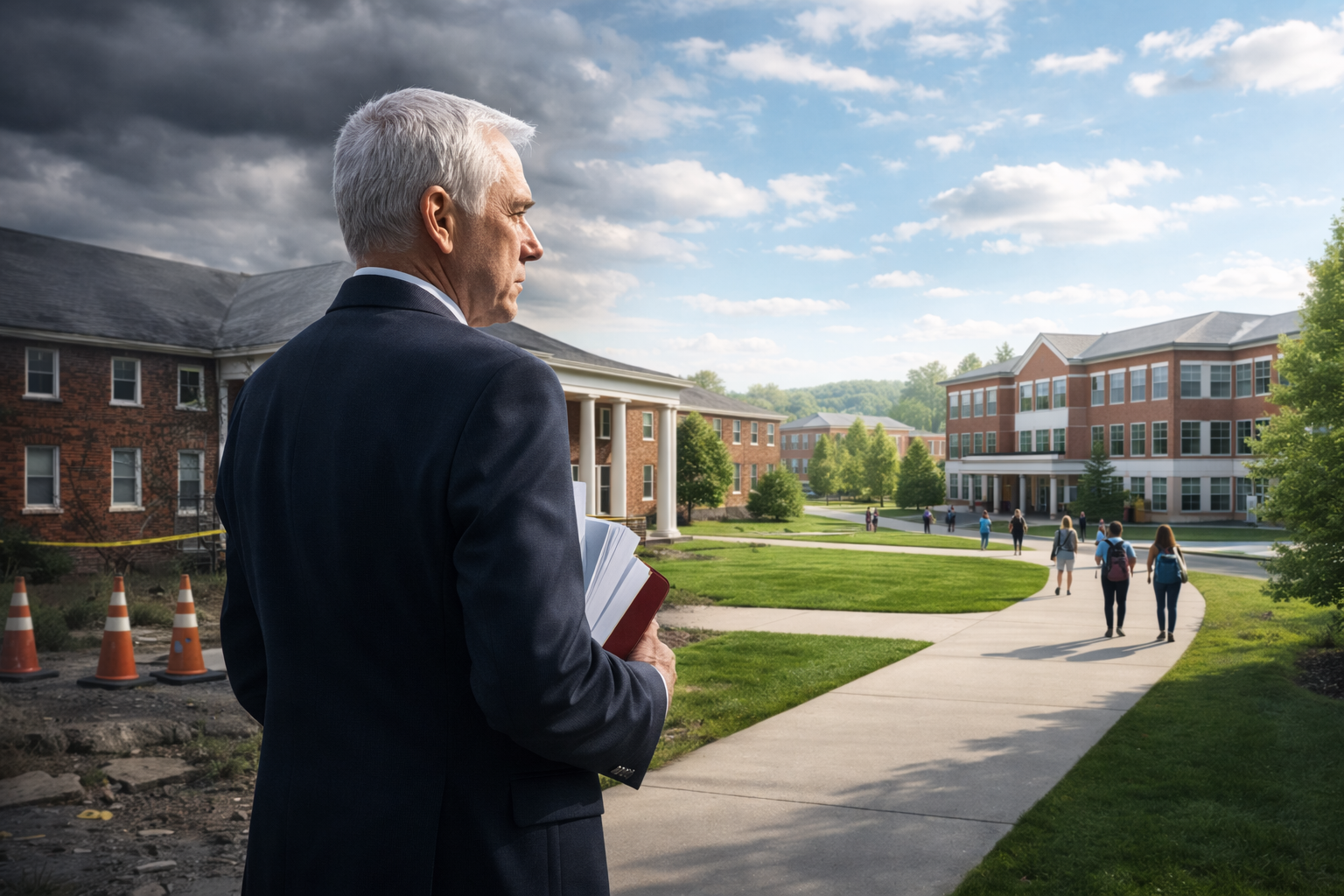
Why Small College Campuses Must Invest in Their Facilities to Survive Small college campus facilities are often treated as a cost to defer — but neglect compounds quietly … Read more