The Hidden Connection Most Schools Miss
Why Operational Inefficiencies Quietly Drain Already-Tight Budgets
Executive Summary
For many small and mid-sized colleges, financial pressure is a constant reality. Leadership teams focus heavily on tuition revenue, enrollment trends, and capital budgets—but often overlook a critical area of financial leakage:
The connection between energy consumption, maintenance burden, and deferred capital renewal.
These three factors are deeply interrelated. When one is neglected, the others are impacted—often in ways that are difficult to see in standard financial reporting.
This paper explores how aging equipment, deferred maintenance, and inefficient systems quietly increase operating costs year after year—and how institutions can regain control through data-driven planning.
The Problem You Don’t See on a Balance Sheet
Unlike a major capital project, operational inefficiencies don’t appear as a single, visible expense.
Instead, they show up as:
- Slightly higher energy bills
- More frequent service calls
- Increased staff workload
- Shortened equipment life
- Unexpected system failures
Individually, these costs may seem manageable.
Collectively, they represent a significant and ongoing financial drain.
A Look Behind the Curtain
Below is a representative example of what this looks like in practice:
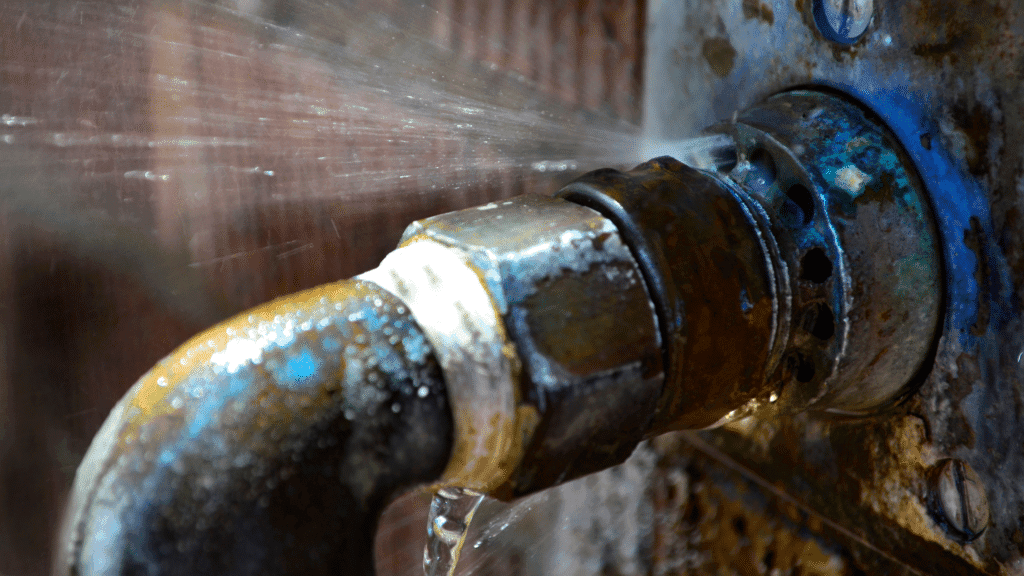
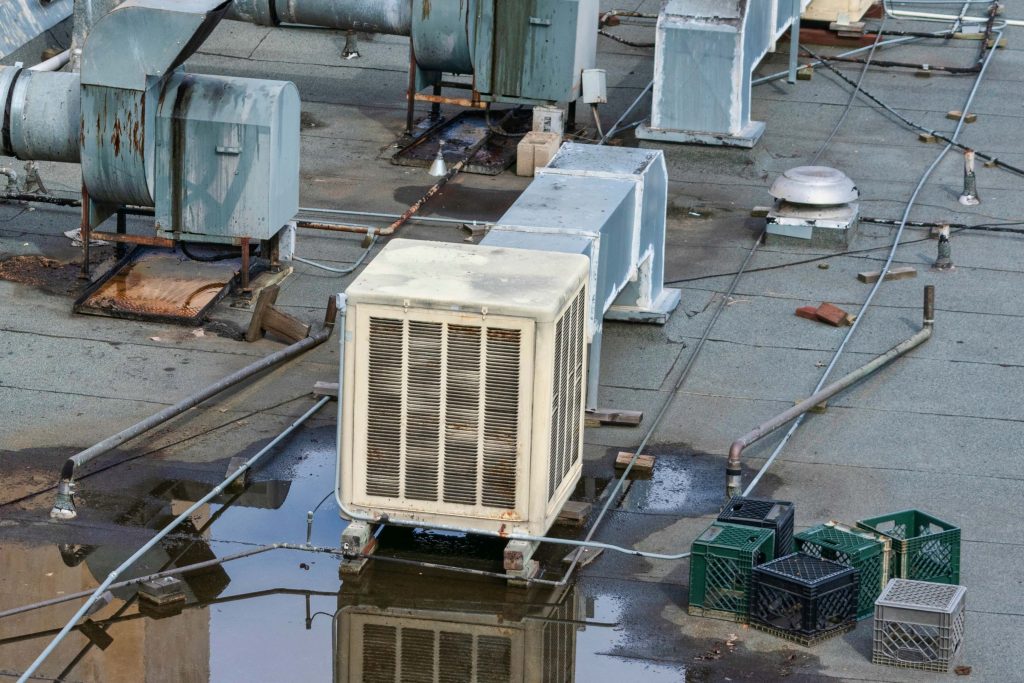
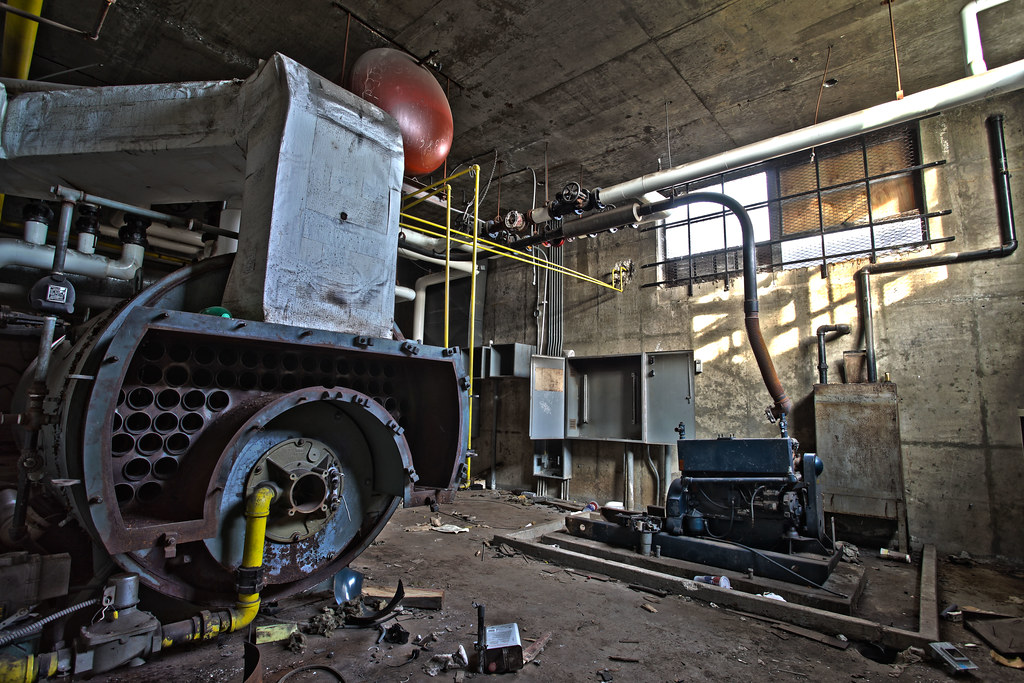
This type of environment is more common than many institutions realize.
And while it may be “out of sight,” it is not without consequence.
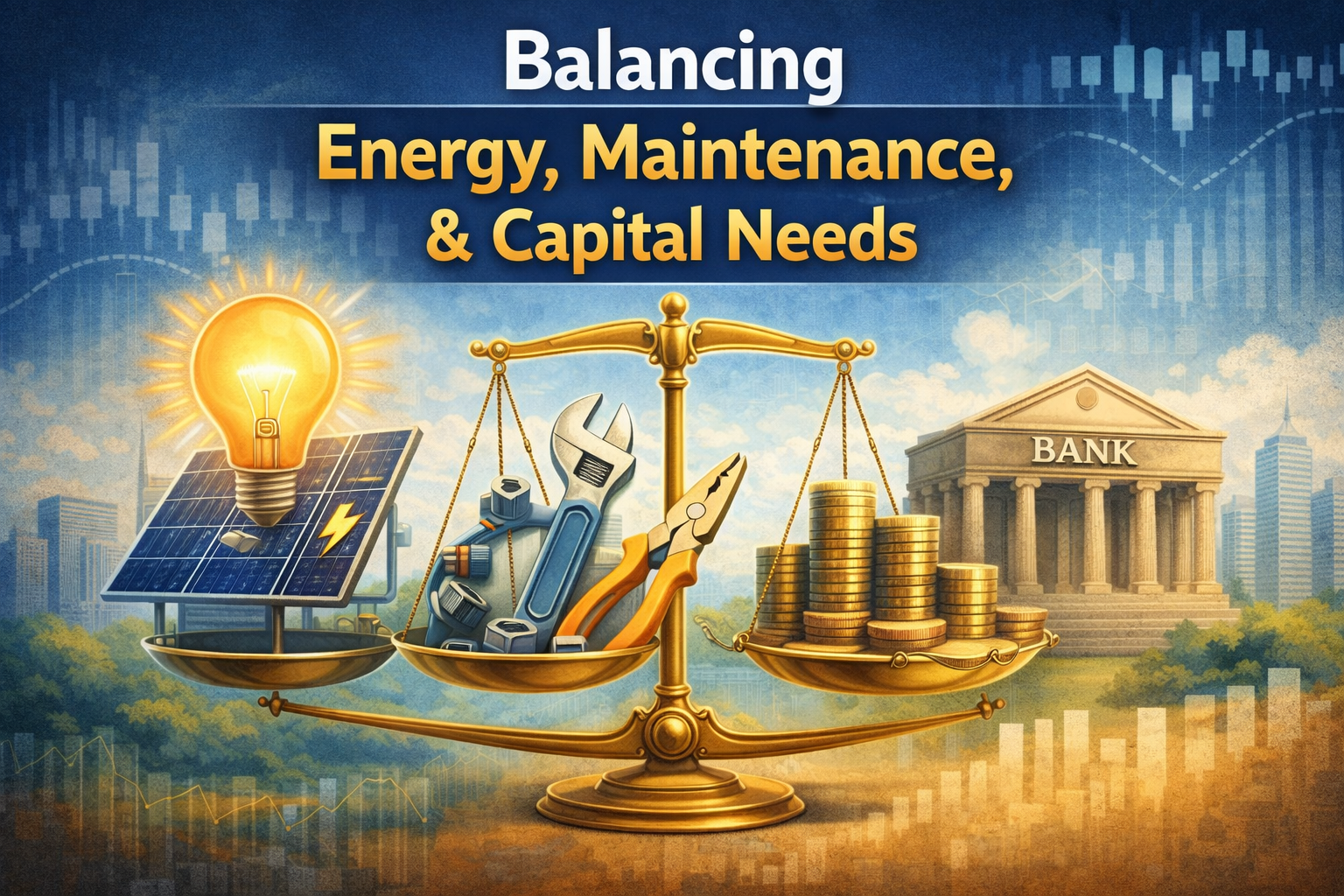
The Hidden Connection: Energy, Maintenance, Capital
These three elements form a continuous cycle:
1. Deferred Capital Investment
When equipment is not replaced at the appropriate time:
- Systems operate beyond their intended life
- Efficiency declines
- Reliability decreases
2. Increased Energy Consumption
Aging systems:
- Require more energy to deliver the same output
- Operate longer and harder
- Lack modern controls and optimization
3. Rising Maintenance Demand
As systems degrade:
- Failures become more frequent
- Repairs become more complex
- Staff time shifts from preventive to reactive work
4. Accelerated System Decline
The combination of inefficiency and reactive maintenance:
- Shortens remaining useful life
- Increases the likelihood of catastrophic failure
The Cost of Waiting
One of the most important—and misunderstood—concepts is this:
Deferring capital does not eliminate cost. It redistributes and increases it.
Example Scenario
| Category | Planned Replacement | Deferred Replacement |
|---|---|---|
| Initial Cost | $150,000 | $0 (deferred) |
| Energy Cost (5 yrs) | $75,000 | $120,000 |
| Maintenance Cost (5 yrs) | $25,000 | $80,000 |
| Emergency Repairs | Minimal | $40,000 |
| Total 5-Year Cost | $250,000 | $240,000+ (before replacement) |
And this does not account for:
- Disruption to campus operations
- Student discomfort
- Reputational impact
Why This Problem Persists
Many institutions struggle to address this issue for several reasons:
1. Budget Silos
- Capital budgets are separate from operating budgets
- Energy and maintenance costs are tracked independently
2. Lack of Visibility
- No comprehensive equipment inventory
- Limited understanding of system condition and performance
3. Competing Priorities
- Immediate needs outweigh long-term planning
- Visible issues take precedence over hidden inefficiencies
4. Reactive Culture
- Maintenance teams are forced into response mode
- Strategic planning takes a back seat to daily demands
The Opportunity: Total Cost of Ownership Thinking
Forward-thinking institutions are shifting from:
“What does it cost to replace?”
To:
“What does it cost to own and operate over time?”
Total Cost of Ownership (TCO) Includes:
- Initial capital cost
- Energy consumption
- Maintenance and repair costs
- Operational risk
- Lifecycle duration
This shift in thinking allows institutions to:
- Justify proactive investment
- Reduce long-term operating costs
- Improve system reliability
- Align capital planning with financial strategy
Data Changes the Conversation
Facilities teams often understand these issues intuitively.
But without structured data, it is difficult to:
- Quantify the financial impact
- Prioritize investments
- Communicate effectively with leadership
- Justify capital requests
Key Data Components
1. Equipment Inventory
- What assets exist
- Age, type, and condition
2. Condition Assessment
- Remaining useful life
- Performance deficiencies
3. Maintenance History
- Frequency and cost of repairs
4. Energy Performance Indicators
- Consumption trends
- System-level inefficiencies
From Insight to Action
With the right data, institutions can:
Identify High-Cost Systems
- Equipment consuming disproportionate energy
- Systems requiring frequent repairs
Prioritize Replacement Strategically
- Replace systems before cost escalation
- Bundle projects for efficiency
Reduce Maintenance Burden
- Shift from reactive to preventive maintenance
Improve Budget Predictability
- Reduce emergency spending
- Stabilize operating costs
Case Comparison: Two Approaches
Institution A: Reactive Model
- Defers equipment replacement
- Experiences rising energy and maintenance costs
- Suffers unexpected failures
- Faces budget volatility
Institution B: Strategic Model
- Tracks system condition and performance
- Identifies high-cost assets early
- Plans phased replacements
- Reduces total lifecycle cost
Same infrastructure. Different outcomes.
How AmBIT Helps Institutions Regain Control
AmBIT provides the tools and insight needed to connect energy, maintenance, and capital planning:
- Comprehensive equipment inventories
- Facility condition assessments
- Lifecycle and cost forecasting
- Maintenance planning strategies
- Executive-ready reporting
We help institutions answer:
“Where are we losing money—and how do we stop it?”
Conclusion
In today’s financial environment, small and mid-sized colleges cannot afford hidden inefficiencies.
Energy, maintenance, and capital are not separate issues.
They are part of a single system—and when that system is not managed holistically, costs rise quietly and continuously.
By shifting to a data-driven, lifecycle-based approach, institutions can:
- Reduce operating costs
- Improve system reliability
- Stabilize budgets
- Make more informed capital decisions
Because ultimately:
The most expensive problems are not always the most visible.
They are the ones quietly draining resources every day.
This is AmBIT Insights — a space for practical thinking on capital planning, facility assessments, and the decisions that shape real estate portfolios for years to come.

Written by
AmBIT Author